What Happens to Your Body at 3AM? The Science of the Witching Hour
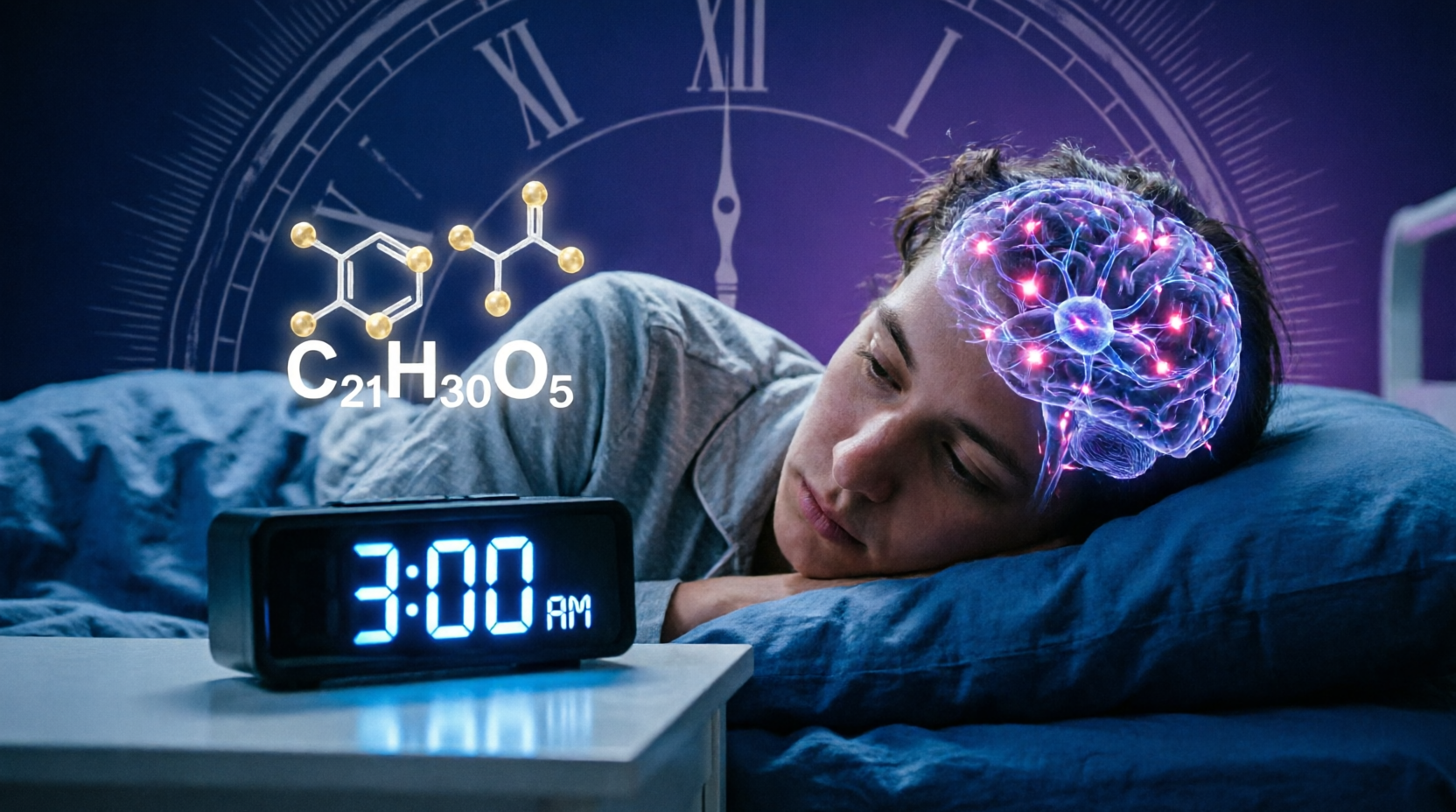
It happens to almost everyone. You jolt awake, check the clock, and see it is exactly 3:00 AM. The house is silent, your mind suddenly races with worries, and you feel strangely alert yet exhausted. It feels eerie, almost like your body is betraying you.
But this isn’t a curse or a sign that something is wrong with you. It is biology. 3:00 AM is a unique intersection of your internal body clock, hormone cycles, and sleep architecture. Understanding why this happens can turn a moment of anxiety into a fascinating lesson about how your body works.
The Biological Shift: Why 3AM is Different
At 3AM, your body hits its lowest core temperature, signaling deep rest. However, your liver depletes its glycogen stores, which can trigger hunger signals. Simultaneously, melatonin levels begin to dip while cortisol starts its slow climb toward morning. This hormonal shift moves you from deep sleep into lighter REM stages. For many, this creates a vulnerable window where the brain is alert enough to worry, but the body remains exhausted. Historically, this was actually a normal waking period between “first” and “second” sleep.
The Cortisol Awakening Response Starts Early
One of the main reasons you wake up at this specific time is a hormone called cortisol.
Cortisol is often called the “stress hormone,” but it is actually your body’s natural alarm clock. Usually, your cortisol levels spike right before you wake up to give you the energy to start your day. This is called the Cortisol Awakening Response (CAR).
However, if you are under stress during the day, your body may produce too much cortisol at night. Sometimes, this spike happens prematurely around 3:00 AM. Your body thinks it is time to wake up and solve problems, flooding your brain with alertness while you are still lying in bed.
This is why you often start worrying about bills or work emails at 3:00 AM. Your logical brain is being chemically primed to be active, even though you desperately need sleep.
Your Sleep Architecture: The REM Cycle Transition
Sleep isn’t a flat line; it is a series of cycles that last about 90 minutes each.
- Deep Sleep (NREM): This happens mostly in the first half of the night. Your body repairs tissues and builds muscle.
- REM Sleep: This happens mostly in the second half of the night. This is where you dream.
By the time 3:00 AM rolls around, your body has likely finished its longest phase of deep sleep. You are transitioning into lighter REM cycles. Because REM sleep is lighter, you are much easier to wake up. A small noise, a temperature change, or a partner rolling over can pull you out of this stage. Since your brain was active in a dream state, you wake up with your mind racing rather than groggy.
If you find yourself waking up frequently, using a sleep need calculator can help you align your bedtime with your natural 90-minute cycles to minimize these interruptions.

The Historical “Second Sleep” Phenomenon
Is waking up at 3:00 AM a modern problem? Surprisingly, no.
Historians have found that before the industrial revolution and the invention of the lightbulb, humans practiced biphasic sleep. People would go to sleep at dusk, wake up for a few hours in the middle of the night, and then sleep again until dawn.
This period of wakefulness around 2:00 AM to 4:00 AM was considered normal. People used the time to read, pray, or talk by candlelight. It was called “the watch” or “second sleep.”
Modern technology has compressed our sleep into a single 8-hour block, but your biology might still be hardwired for that ancient split. When you wake up at 3:00 AM, you aren’t broken; you might just be experiencing a ghost of our evolutionary past.
The Physical Triggers: Bladder and Blood Sugar
Your internal organs don’t stop working just because you are asleep.
The Liver and Blood Sugar: By 3:00 AM, you haven’t eaten for several hours. Your liver works hard to release glucose (sugar) into your blood to keep your energy stable. If your metabolism is slightly off or you ate a high-sugar dinner earlier, your blood sugar levels might drop too low. Your body releases adrenaline to fix this, which inadvertently wakes you up.
The Bladder: It is simple mechanics. If you drank water before bed, your kidneys have been filtering fluids for hours. Around the 4-5 hour mark, your bladder signals that it is full, often right around that 3:00 AM mark.
Why This Matters
Understanding 3:00 AM wake-ups matters because it changes how you react to them.
If you think waking up is a sign of severe insomnia, you create a “fear of sleep.” You go to bed anxious, which keeps you awake longer. By realizing that this is a natural hormonal shift or a vestige of “second sleep,” you can relax.
Instead of checking your phone or panicking, you can simply let your body rest. Often, if you don’t stimulate your brain with screens, you will drift back into your second sleep cycle naturally.
Common Misunderstandings
Myth 1: Waking up at 3:00 AM means you have depression. While depression can cause early morning waking, a single 3:00 AM wake-up does not mean you are mentally ill. It is often just a cortisol spike or a natural cycle transition.
Myth 2: You should just get out of bed immediately. Unless you truly cannot sleep after 20 minutes, staying in bed allows your “sleep pressure” to build up again. Getting up and doing work might train your brain to be awake at this time every night.
Myth 3: You must stay in bed perfectly still. If you are wide awake, “trying” to force sleep creates stress. It is better to do something boring and low-light (like reading a paper book) until you feel sleepy again.
Myth 4: It is because of a “ghost” or supernatural hour. Culturally, 3:00 AM is called the “Devil’s Hour” in folklore. While the stories are spooky, the scientific reason is simply that your circadian rhythm is at its lowest point, making you feel vulnerable and hyper-aware.
Frequently Asked Questions
Why do I always wake up exactly at 3:00 AM and not 2:00 or 4:00? Your body runs on a precise internal clock (circadian rhythm). The transition from deep sleep to REM often aligns with this timeframe, roughly 4-5 hours after a typical bedtime. Your body temperature is also at its lowest, which can trigger a wakeful signal.
Is “Second Sleep” real? Yes. Historical records from pre-industrial Europe show references to “first sleep” and “second sleep.” Anthropologists believe this was the natural human sleep pattern before artificial lighting extended our waking hours.
How can I stop waking up at 3:00 AM? Keep your room cool (around 65°F or 18°C), avoid screens an hour before bed to regulate melatonin, and try not to eat large meals right before sleep. Using a study focus timer during the day can also help reduce stress levels by improving your productivity, lowering the cortisol that wakes you up at night.
Does waking up at 3:00 AM mean my cortisol is high? It is possible. Chronic stress is the most common cause of elevated nighttime cortisol. If this happens every night, you might want to check your stress management techniques or try a stress level quiz to see if stress is affecting your health.
Should I eat something if I wake up hungry at 3:00 AM? A small, protein-based snack (like a few almonds) is fine if you are genuinely hungry. Avoid sugary snacks, as they will spike your blood sugar and keep you awake.
Disclaimer: This article is for educational purposes only and does not constitute medical or professional advice. If you have chronic sleep issues, please consult a healthcare professional.
Written by Sharjeel — Founder, WikipediaSearch Last Updated: October 2023