What Happens If Your Brain Can’t Remove Waste Properly?
Learn what happens when your brain can’t remove waste. Discover the link between toxic protein buildup, brain fog, and Alzheimer’s risk.
You might think that “brain fog” is just a sign of a busy week or a bad night’s sleep. But what if that fog is actually physical trash piling up inside your head?
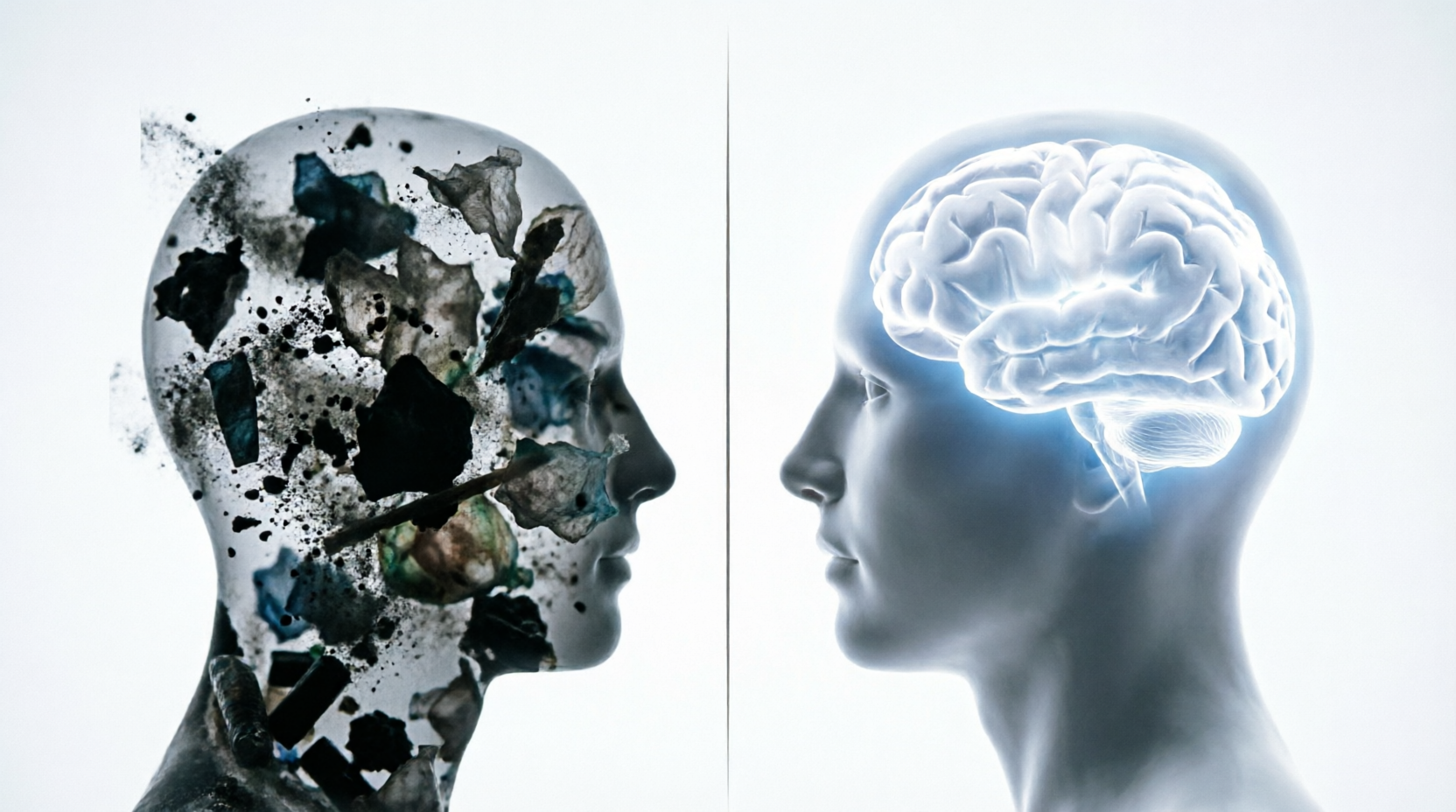
Your brain produces a significant amount of waste every single day. Just like a busy factory, it needs a cleanup crew to function. When this cleanup crew—the glymphatic system—fails to do its job, the consequences are far more serious than just feeling tired.
This buildup of biological trash is now linked to some of the most feared diseases of our time, including Alzheimer’s and Parkinson’s. Understanding this process is the first step to protecting your mind.
🗑️ The Trash That Never Leaves
When your brain’s drainage system (glymphatic system) slows down, toxic proteins like beta-amyloid and tau begin to accumulate. These proteins stick together, forming plaques that block communication between neurons. Over time, this “trash” kills brain cells, leading to memory loss, confusion, and neurodegenerative disease.
The Glymphatic System: When the Drain Gets Clogged
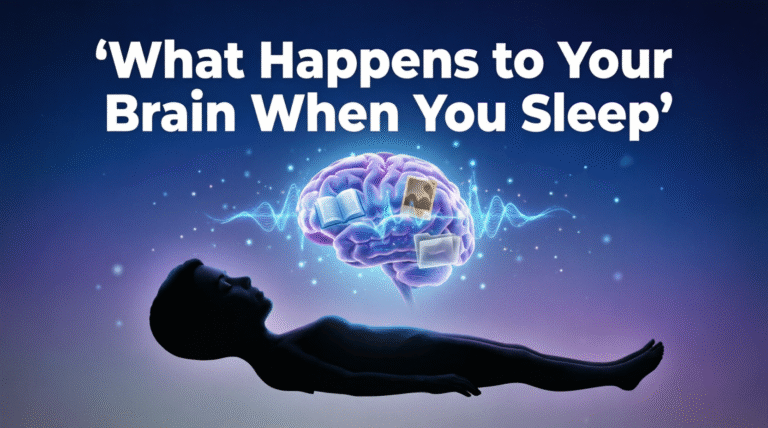
In a previous article, we discussed what happens to your brain when you sleep. We learned that the glymphatic system is a plumbing network that flushes cerebrospinal fluid (CSF) through the brain to wash away toxins.
But what happens when this drain gets clogged?
Imagine a kitchen sink. If you keep piling dishes and running water without clearing the drain, the water turns murky, and bacteria grow. Similarly, when the glymphatic system can’t remove waste fast enough, toxins accumulate. This state is often called “neuroinflammation.”
The primary culprits clogging the drain are:
- Sleep Deprivation: The system only works during deep sleep. Miss that window, and the trash stays.
- Aging: As we age, the pathways shrink, and the flow of CSF slows down naturally.
- Dehydration: The fluid washing the brain needs water. Low water means thick, slow-moving fluid.
The Toxic Culprits: Beta-Amyloid and Tau
The “trash” we are talking about isn’t imaginary. It consists of specific proteins.
Beta-Amyloid: This is a fragment of a protein that the brain produces naturally. In a healthy brain, it is cleared away every night. In a brain with poor waste removal, it clumps together into “plaques.” These plaques are sticky and disrupt the signals between nerve cells.
Tau Proteins: Inside your neurons, there are tiny tubes (tau) that transport nutrients. When waste removal fails, these tubes collapse into “tangles.” This starves the neurons of nutrients, causing them to die.
When these two proteins accumulate, they are the hallmark signs of Alzheimer’s disease.

The Short-Term Signs You Might Miss
The damage doesn’t happen overnight. Before diseases like Alzheimer’s appear, there are subtle signs that your brain’s waste removal is struggling:
- Chronic Brain Fog: That feeling of walking into a room and forgetting why, or struggling to find words.
- Sensitivity to Smells: A declined sense of smell is often an early sign of toxin buildup in the olfactory bulb.
- Mood Changes: Unexplained irritability or anxiety can sometimes be traced back to neuroinflammation.
- Sleep Issues: A vicious cycle begins. Poor waste removal leads to poor sleep, which leads to even less waste removal.
If you feel your reaction time or focus is slipping, it might be time to check your cognitive baseline. You can try our brain speed test to see how your processing speed compares to the average.
Why This Matters
This topic matters because it shifts the conversation about brain health from “genetics” to “habits.”
For decades, people believed dementia was purely genetic. We now know that daily habits—specifically sleep and hydration—play a massive role in whether your brain stays clean or becomes toxic.
Ignoring waste removal is like never taking out the trash in your house. Eventually, it becomes unlivable. By prioritizing this biological maintenance, you can significantly lower your risk of cognitive decline.
Common Misunderstandings
Myth 1: Brain fog is just a normal part of aging. False. While processing speed can slow slightly, chronic confusion or memory lapses are signs that something is wrong physiologically, often related to inflammation or waste buildup.
Myth 2: You can “catch up” on sleep later. You can recover some sleep debt, but you cannot retroactively clear waste. The cleaning window is missed every night you skip deep sleep.
Myth 3: Alzheimer’s happens suddenly. Alzheimer’s develops over 15-20 years. The waste buildup starts long before memory symptoms appear. Prevention starts now, not when you turn 70.
Myth 4: Only old people need to worry about this. Research shows that sleep deprivation in your 30s and 40s increases the risk of dementia later. The trash starts piling up early.
Frequently Asked Questions
Can brain waste be reversed? Some buildup can be cleared with lifestyle changes like improved sleep, exercise, and hydration. However, severe plaque formations (like in late-stage Alzheimer’s) are much harder to reverse. Prevention is key.
Does diet affect brain cleaning? Yes. Diets high in sugar and processed foods increase inflammation, which stiffens the blood vessels needed for the glymphatic system to work. A Mediterranean diet is often recommended for brain health.
How much sleep is needed for cleaning? Most adults need 7–9 hours. The deep cleaning happens during slow-wave sleep (deep sleep), which occurs mostly in the first half of the night. Use our sleep need calculator to find your exact number.
Does exercise help clean the brain? Yes. Exercise increases blood flow and has been shown to improve the glymphatic flow rate, essentially “power washing” the brain.
Is memory loss the first sign of waste buildup? Not always. Issues with navigation, smell, or mood swings often appear before memory loss.
Disclaimer: This article is for educational purposes only and does not constitute medical advice. If you are experiencing persistent cognitive issues, please consult a healthcare professional.
Written by Sharjeel — Founder, WikipediaSearch Last Updated: april 2026