Why Liver Detox Is Important for Your Health
The liver is one of the most powerful organs in the human body. It performs hundreds of essential functions that keep the body alive and healthy. From filtering toxins to regulating hormones and processing nutrients, the liver works nonstop every second.
However, modern lifestyles are placing an enormous burden on this vital organ.
Today, liver disorders are increasing rapidly across many countries. Surprisingly, many people suffering from liver problems are non-drinkers. The biggest causes are environmental toxins, poor diets, and sedentary lifestyles.
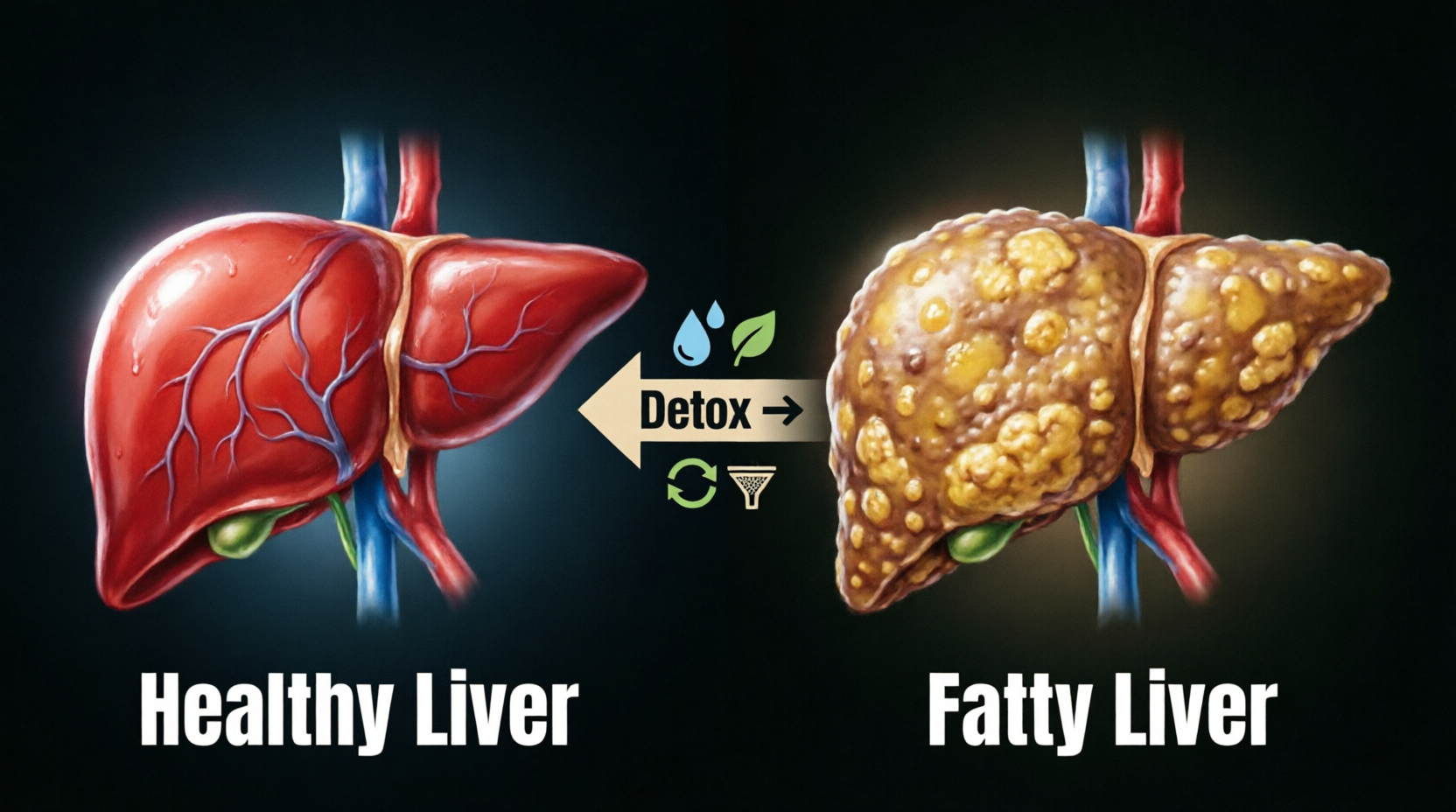
Air pollution, processed food, pesticides, and excessive sugar intake all increase the toxic load that the liver must process. Over time, this constant stress can lead to fatty liver disease, a condition where fat accumulates inside liver cells and disrupts normal liver function.
Many people do not even realize they have this condition because the symptoms often appear only after serious damage has already occurred.
How the Liver Handles Toxins

The liver acts as the body’s main detoxification system. Everything that enters the body—food, medicines, chemicals, and environmental pollutants—eventually passes through the liver.
Specialized liver cells process these substances and convert harmful compounds into safer forms that the body can eliminate.
But when the liver is exposed to too many toxins, sugars, and unhealthy fats, it becomes overloaded. Excess fat starts accumulating inside the liver, which can lead to non-alcoholic fatty liver disease (NAFLD).
If left untreated, this condition may progress to inflammation, liver damage, or even liver failure.
The Body’s Natural Detox Process

Fortunately, the body already has a built-in detox system known as autophagy.
Autophagy is a natural cellular cleaning process that removes damaged components, toxins, and excess fat from cells. In the liver, this process helps maintain healthy metabolism and protects against disease.
Research shows that certain conditions, especially fasting, can activate this powerful repair system. Studies indicate that intermittent fasting may stimulate liver autophagy and help maintain cellular balance and metabolic health.
This natural process allows the liver to remove damaged structures and restore its normal function.
Simple Ways to Support Liver Health

Although the liver has its own detox system, lifestyle choices play a major role in supporting it.
Several habits can significantly improve liver health:
1. Intermittent fasting
Short periods without food allow the body to activate repair mechanisms like autophagy.
2. Regular exercise
Physical activity helps burn excess fat stored in the liver and improves metabolism.
3. Balanced diet
Reducing processed food, refined sugar, and unhealthy fats can lower the liver’s toxic burden.
4. Antioxidant nutrients
Compounds like curcumin, NAC, and milk thistle may help protect liver cells from oxidative stress caused by pollution and poor diets.
Protecting Your Liver for the Future
The liver is a silent worker that keeps the entire body functioning properly. Unfortunately, modern environments expose it to more toxins than ever before.
By adopting simple lifestyle changes—healthy eating, regular exercise, and controlled fasting—it is possible to support the liver’s natural detox system and maintain long-term health.
Taking care of your liver today may be one of the most powerful steps you can take toward a healthier future.