The Nervous System Explained: How Your Body Wires Itself
Every second of every day, a silent storm of activity is happening inside you. Right now, your eyes are sending signals to your brain. Your brain is processing these words. Your heart is beating, your lungs are breathing, and your fingers are scrolling—all without you consciously asking them to.
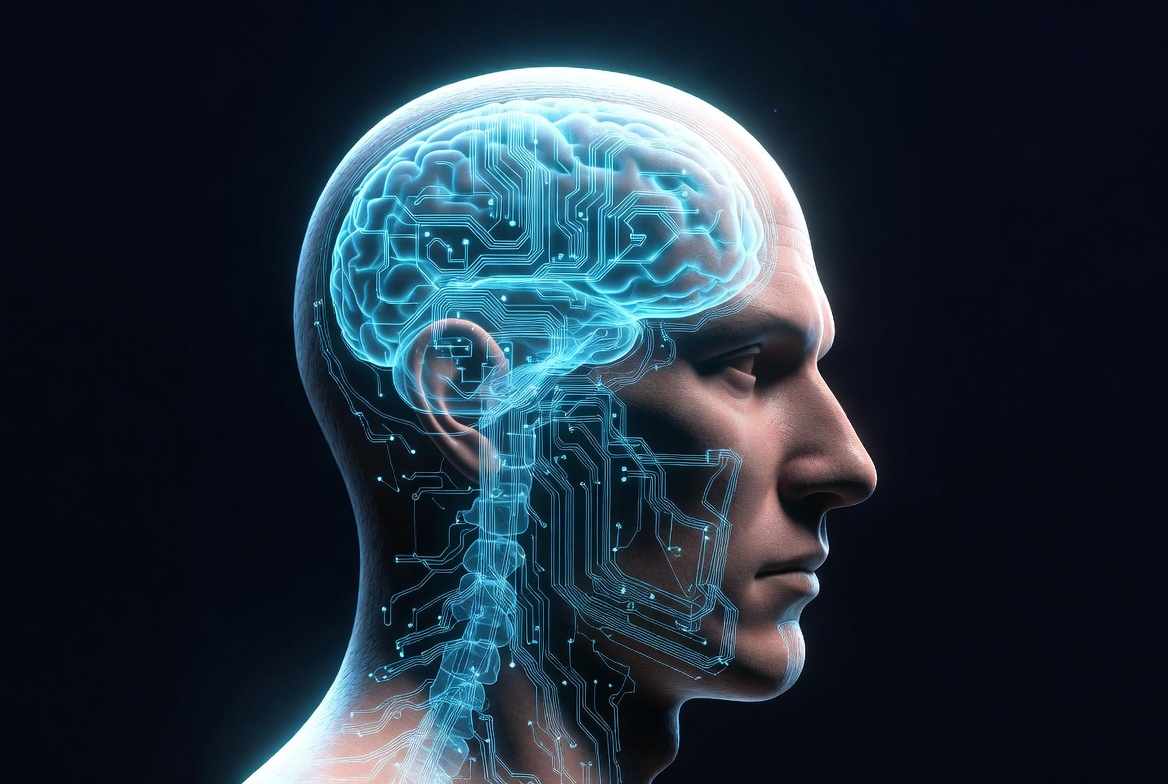
This silent symphony is conducted by the Nervous System. It is the body’s electrical wiring and command center rolled into one. It allows you to taste your food, react to a hot stove, remember a childhood memory, and even dream.
But how does this massive communication network actually function? Let’s break down the science of how your body talks to itself.
How the Central Nervous System Acts as CEO
To understand the nervous system, imagine it as a massive corporation. Like any big company, it has a headquarters and field agents. This is the first major division: the Central Nervous System (CNS) vs. the Peripheral Nervous System (PNS).
The Central Nervous System consists of just two things: your brain and your spinal cord.
- The Brain: This is the CEO. It makes the big decisions, stores the archives (memories), and processes complex strategies.
- The Spinal Cord: This is the main cable connecting the CEO to the rest of the company. It acts as a highway for information and handles some immediate, reflexive decisions without bothering the boss.
Everything else—every nerve that branches out to your toes, your skin, your organs—belongs to the Peripheral Nervous System. These are the lines of communication carrying data back to headquarters and delivering orders from the brain to the muscles.

The Two Modes of Body Control
The Peripheral system isn’t just one thing. It’s divided into two very different “teams” depending on the job at hand: the Somatic and Autonomic systems.
1. The Somatic Nervous System (Voluntary)
This is the “Conscious Team.” It controls your skeletal muscles. When you decide to stand up, type on a keyboard, or drink water, you are using the Somatic system.
- Sensory Neurons: Tell the brain what is happening (e.g., “The floor is cold”).
- Motor Neurons: Tell the muscles what to do (e.g., “Lift the right leg”).
If you are trying to train your brain to focus on a specific task for a long period, you are using this voluntary system. Tools like a study focus timer can help train these neural pathways, making it easier for your Somatic system to execute the commands you want it to.
2. The Autonomic Nervous System (Involuntary)
This is the “Auto-Pilot Team.” It regulates body functions that you rarely think about, like heart rate, digestion, and breathing. It has two opposing divisions that work like a seesaw:
- Sympathetic Nervous System (Fight or Flight): This is your body’s alarm system. When you are stressed or in danger, it kicks in. It speeds up your heart, dilates your pupils, and slows digestion to save energy for running or fighting.
- Parasympathetic Nervous System (Rest and Digest): This is the “chill out” mode. When you are safe and relaxed, it lowers your heart rate, promotes digestion, and helps you save energy.
Understanding this balance is crucial. If you are constantly stressed, your Sympathetic system is overactive, which can throw off your entire rhythm. This is why understanding your body’s cycles is a key part of managing sleep energy and habits.
How Your Cells Communicate (Neurons)
The entire system is built on special cells called neurons. They look a bit like trees with long roots and branches, but they function like electrical wires.
A neuron has three main parts:
- Dendrites: The “receivers.” They catch signals from other neurons or sensory receptors.
- Cell Body (Soma): The “office.” It houses the nucleus and keeps the cell alive.
- Axon: The “wire.” A long tail that carries electrical signals away from the cell body to the next target.
The Myelin Sheath
Many axons are wrapped in a fatty coating called the Myelin Sheath. Think of this like the rubber insulation on an electrical cord. It prevents the signal from leaking out and makes the electrical impulse travel much faster. Diseases like Multiple Sclerosis damage this sheath, causing signals to slow down or get lost.

The Signal Jump
Neurons don’t actually touch each other. There is a tiny gap between them called a synapse. Communication happens in two steps:
- Electrical Signal: An impulse travels down the axon like a wave.
- Chemical Bridge: When the signal hits the end of the axon, it triggers the release of chemicals called neurotransmitters. These chemicals swim across the gap to the next neuron, telling it to fire (or not fire).
It’s like a game of telephone, but the message is passed using electricity first, then a chemical “baton,” then electricity again. To dive deeper into how these cells are structured, you can refer to resources from the National Institute of Neurological Disorders and Stroke (NINDS).
Why This Matters
You don’t need to be a neuroscientist to benefit from understanding this system. Knowing how your wiring works helps you manage your daily life better.
- Managing Stress: When you feel panic rising (Sympathetic activation), knowing that your body is just trying to protect you can help you rationalize the feeling. Deep breathing hacks this system by forcing the Parasympathetic system to engage, slowing your heart.
- Learning & Focus: Learning physically changes your brain. It strengthens the connections between neurons. This concept, known as neuroplasticity, is why you can learn new skills at any age.
- Reflexes: Sometimes your spinal cord makes decisions without your brain. If you touch a hot iron, your hand pulls back before you feel the pain. This “reflex arc” saves precious seconds to prevent injury.
Common Misunderstandings About the Brain
There are a few myths that trip people up when they first learn about the nervous system.
Myth 1: You only use 10% of your brain. This is a popular myth. Brain imaging shows that almost all areas of the brain are active, even when you are sleeping. It’s a high-energy organ that doesn’t waste space.
Myth 2: Nerves are just wires. While we use the wire analogy, nerves are living tissue. They need oxygen and nutrients. If blood flow is cut off, nerves die quickly, which is why strokes and injuries are so dangerous.
Myth 3: “Fight or Flight” is only for emergencies. Modern life triggers this system constantly—emails, traffic, arguments. Your body can’t tell the difference between a deadline and a bear attack. Chronic activation of this system leads to burnout and fatigue.
Myth 4: The brain is hardwired. Scientists used to think the brain stopped developing in childhood. We now know that the brain can rewire itself and create new connections throughout your life.
Frequently Asked Questions
What is the difference between a neuron and a nerve? A neuron is a single cell. A nerve is a bundle of many axons (wires) wrapped together, much like a cable is made of many smaller wires.
How fast do nerve signals travel? It varies. Some signals travel as slow as 0.5 meters per second, while others (in thick, myelinated axons) can travel up to 120 meters per second (about 268 mph).
What are neurotransmitters? These are the chemical messengers sent across the synapse. Common ones include Dopamine (related to reward), Serotonin (mood), and Acetylcholine (muscle movement).
Can the nervous system heal itself? The Peripheral Nervous System (PNS) can regenerate if a nerve is cut. The Central Nervous System (CNS), however, has a much harder time healing due to scar tissue, which is why spinal cord injuries are often permanent (though research is advancing).
Does the brain control the heart? Yes and no. The heart has its own electrical system to beat, but the Autonomic Nervous System tells it when to speed up or slow down based on your body’s needs.
Disclaimer: This article is for educational purposes only and does not constitute medical or professional advice. If you have concerns about your neurological health, please consult a medical professional.
Written by Sharjeel — Founder, WikipediaSearch Last Updated: October 2026